
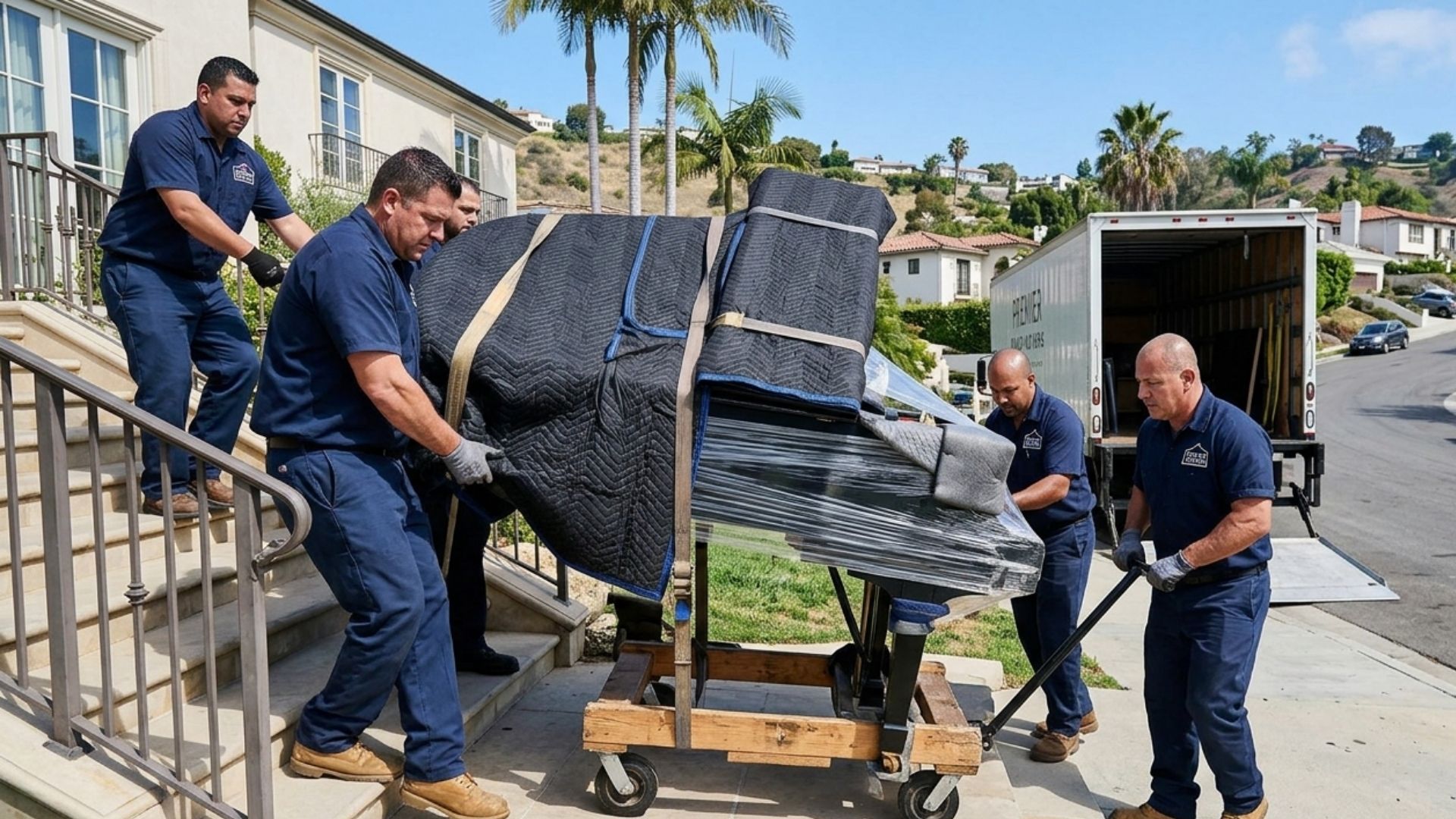
How to Transport a Grand Piano?
How to Transport a Grand Piano? A grand piano is not merely a piece of furniture; it is a masterpiece of engineering, fine craftsmanship, and sentimental value. Weighing anywhere between 500 to 1,200 pounds, its irregular shape, delicate internal mechanism, and high-gloss finish make it one of the most challenging items to relocate. Whether you are moving across town or shifting a corporate asset to a new office floor, understanding how to transport a grand piano safely is crucial to avoiding catastrophic damage and costly repairs.
In this comprehensive guide, we will break down the precise step-by-step process used by professional relocation experts to ensure your instrument arrives at its destination in pristine structural and musical condition.
The Essential Equipment Needed for the Move
Attempting to lift or shift a grand piano with standard moving supplies is a recipe for injury and asset damage. Professional teams like Rapid Office Movers utilize specialized equipment to execute the job seamlessly:
-
A Heavy-Duty Piano Board (Skid Board): A specialized padded wooden board designed specifically for strapping and sliding the piano body.
-
Heavy-Duty Moving Blankets: Thick fabric padding to wrap the lid, lyre, and bench to prevent scratches and surface scuffs.
-
Professional Logistics Straps: High-tensile tie-down straps to secure the piano body firmly to the skid board and inside the moving truck.
-
Four-Wheel Furniture Dollies: Heavy-duty dollies equipped with non-marring rubber wheels capable of supporting immense weight without damaging floors.
-
A Specialized Tool Kit: Screwdrivers, socket wrenches, and rubber mallets needed to carefully disassemble the legs and pedal lyre.
Step-by-Step Guide: How to Transport a Grand Piano Safely
Step 1: Preparation and Route Clearance
Before touching the instrument, measure all doorways, hallways, and stairwells along both the exit and entry routes. Ensure that all flooring is protected with neoprene runners or masonite sheets. Close and lock the piano keyboard lid to protect the fragile ivory or plastic keys from shifting during handling.
Step 2: Disassembling the Lyre and the First Leg
A grand piano cannot be moved on its legs; they are not structurally designed to handle lateral force. With at least three to four professional movers supporting the weight of the piano’s bass corner, the pedal lyre is carefully unscrewed and removed first. Next, the front-left leg (the bass side leg) is unbolted, and the piano is gently lowered onto its side directly onto the padded piano skid board.
Pro Tip from the Experts: Never attempt to lower a grand piano onto its side without an adequate number of trained personnel. The sheer weight shifting dynamically can overwhelm an amateur team instantly, resulting in severe physical injury or destruction of the instrument casing.
Step 3: Removing the Remaining Legs and Securing the Body
Once the piano is securely resting on its flat side on the skid board, the remaining two legs are unbolted and wrapped separately in heavy-duty blankets. The main body of the piano is then fully wrapped in multiple layers of moving blankets and tightly bound to the skid board using heavy logistics straps. This effectively transforms the irregular musical instrument into a solid, manageable, and highly protected rectangular package.
Step 4: Navigating and Loading
The skid board is carefully lifted onto a heavy-duty four-wheel dolly. Using synchronized teamwork, the movers navigate the piano through the cleared pathways to the moving vehicle. Inside the truck, the piano is kept on its skid board, positioned flat against the interior wall, and securely strapped directly to the truck’s structural tie-down tracks to prevent any movement during transit.
Why DIY is High Risk: The Value of Professional Movers
While DIY solutions might look appealing on paper, grand pianos possess unique weight distribution characteristics. An incorrect tilt or a minor bump against a door frame can crack the cast-iron plate, split the wooden soundboard, or uncalibrate the thousands of moving components within the piano’s action. The cost of repairing a damaged soundboard often far exceeds the cost of professional relocation services.
By hiring a specialized service provider, you benefit from commercial-grade equipment, comprehensive cargo insurance coverage, and team members trained in complex rigging and tight-space maneuvering.
Need to Move a Piano or Delicate Equipment?
Don’t risk your valuable investments with standard transport methods. Trust the experienced specialists at Rapid Office Movers to handle your delicate assets, heavy machinery, and office furniture with absolute precision. Visit rapidofficemovers.com today for a customized, risk-free moving quote!